
AIR CONDITIONING & MVHR SPECIALISTS IN LONDON
Engineering comfort with less compromise.
Comfort Services Engineers is a London air conditioning and MVHR company: clear advice, real project work and support that continues after installation.
ABOUT COMFORT
You should understand how we think before anyone drills a hole in the wall.
We would rather show you real work than make big claims. Everything here is based on genuine installations, advice specific to your property and clear routes for servicing and repair, with no invented statistics or “we are the best” slogans.
London focused
We work in homes, apartments and commercial buildings across the capital. Comfort Services Engineers Limited is registered in England and Wales, company number 15355671.
Residential + commercial
Homeowners and building managers need different things, and we treat them differently.
Install + aftercare
We stay on hand for repairs, servicing and maintenance long after the installation.
Real project proof
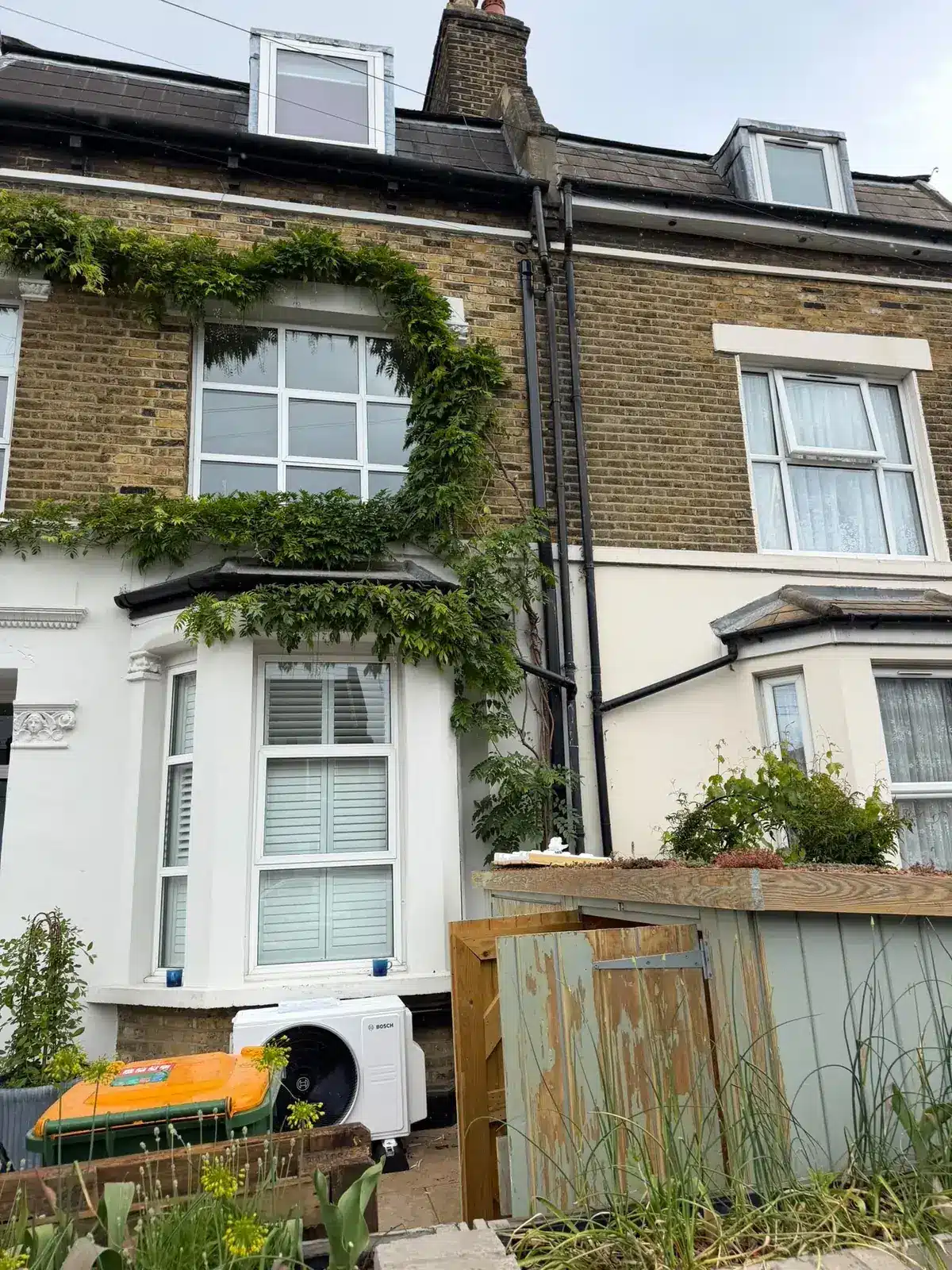
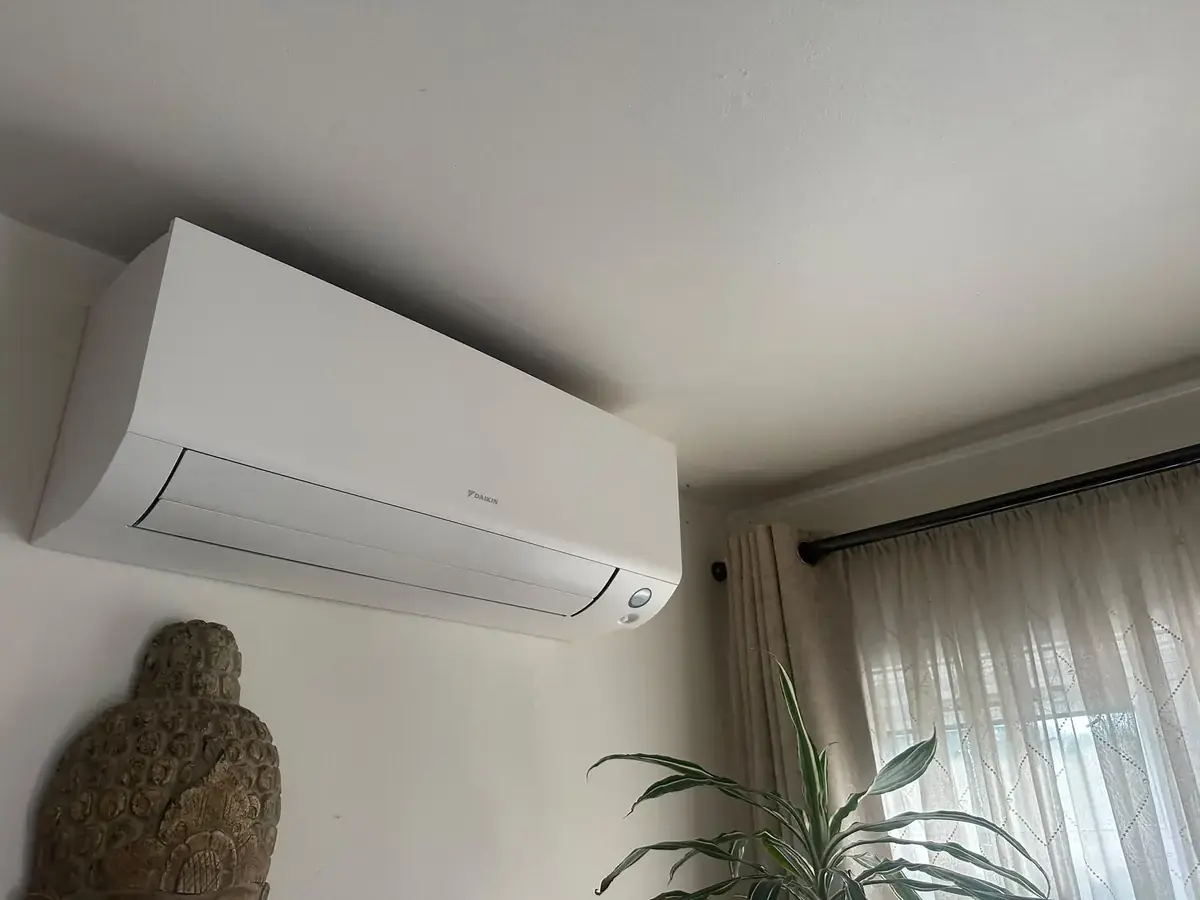
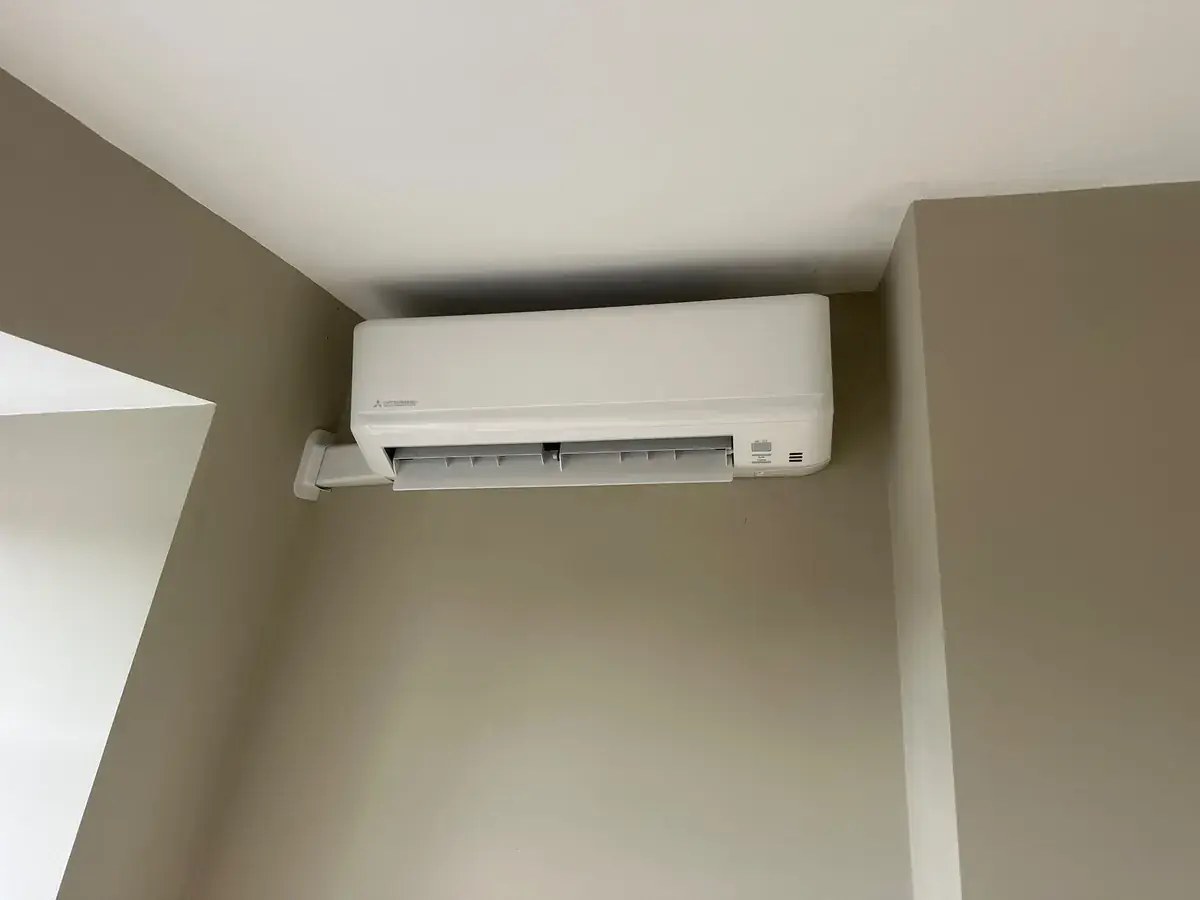
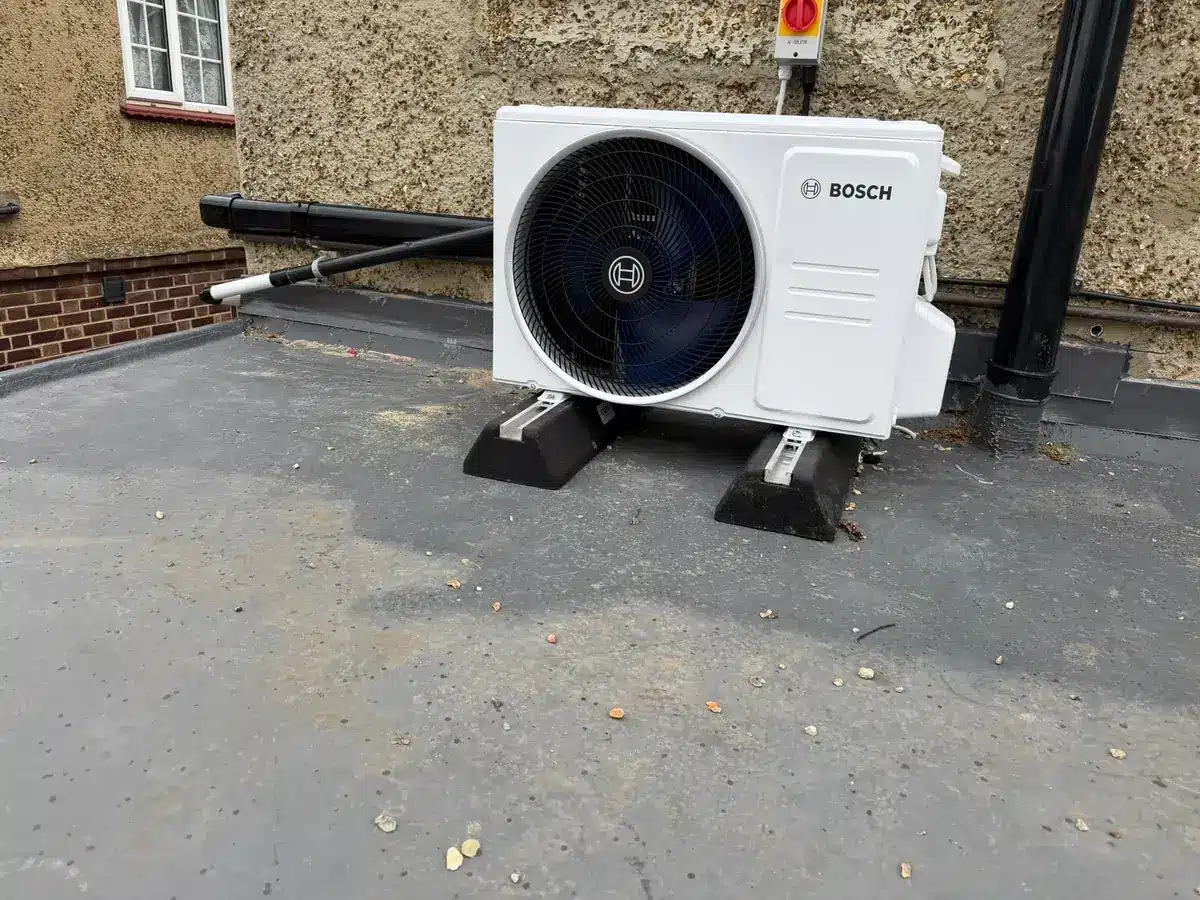
The photos on this site are our own installations, not stock images.
WHAT COMFORT IS BUILT TO DO
Air conditioning expertise from survey to long-term support.
We focus on the work London customers need most: new air conditioning installation, fault diagnosis and repair, servicing, planned maintenance, residential cooling, commercial systems and MVHR support.
Survey-led installation
Understand the room, building and constraints before selecting equipment.
Repair & diagnosis
Start with the symptom and identify the cause before recommending replacement.
Residential AC
Bedrooms, lofts, apartments, living spaces and multi-room systems.
Commercial AC
Offices, hospitality, retail, server rooms and managed buildings.
Maintenance
One-off servicing and planned support matched to usage and operational risk.
MVHR
Ventilation servicing, fault finding, airflow testing and balancing.
REAL COMFORT PROJECTS
The work is the strongest introduction.
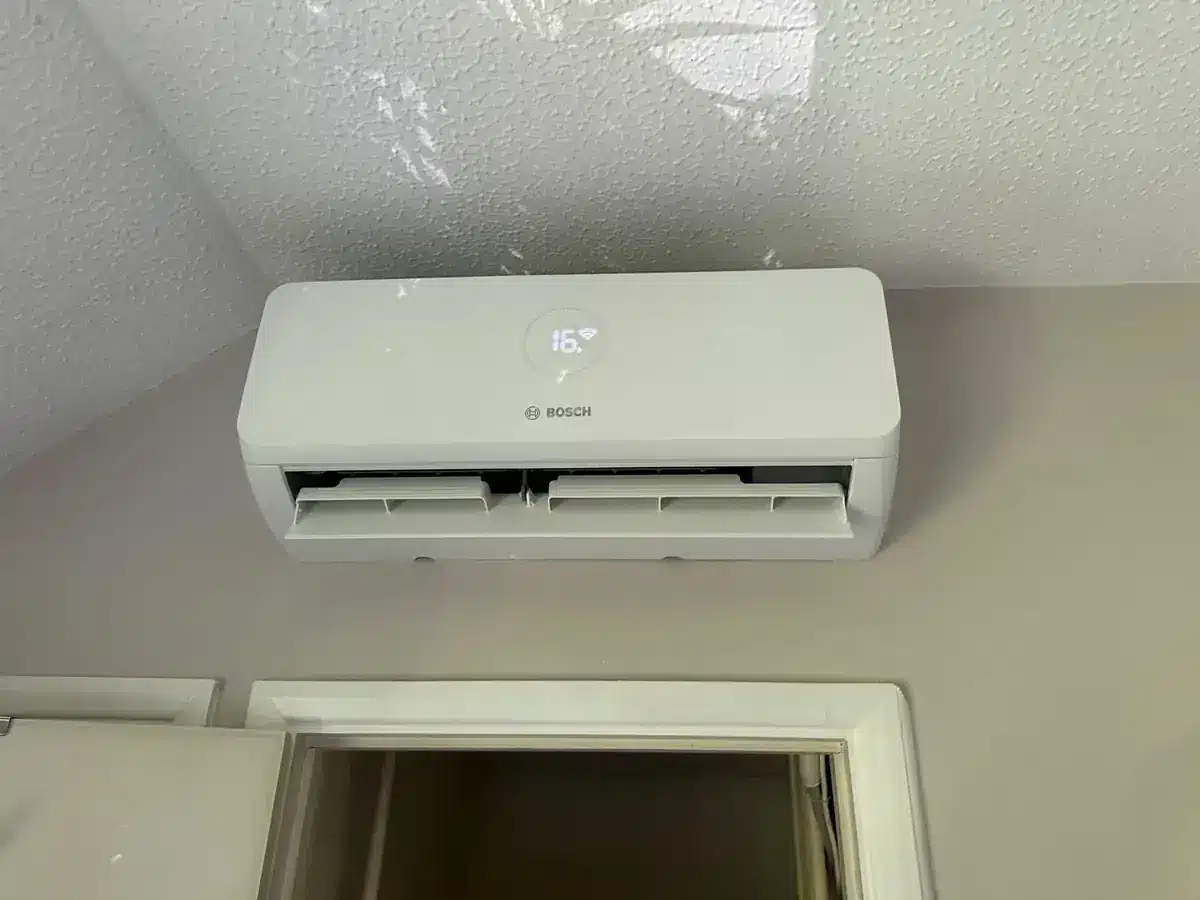
Rather than slogans, here are genuine installations showing the kinds of London properties we work in.
HOW WE WORK
Survey. Specify. Install. Commission. Support.
Understand
Property, rooms, use, problem and priorities.
Survey
Heat gain, routes, positioning and constraints.
Specify
System type, capacity and controls.
Deliver
Installation and commissioning.
Support
Servicing, repair and planned maintenance.
REAL COMFORT PROJECTS
Every building asks something different.
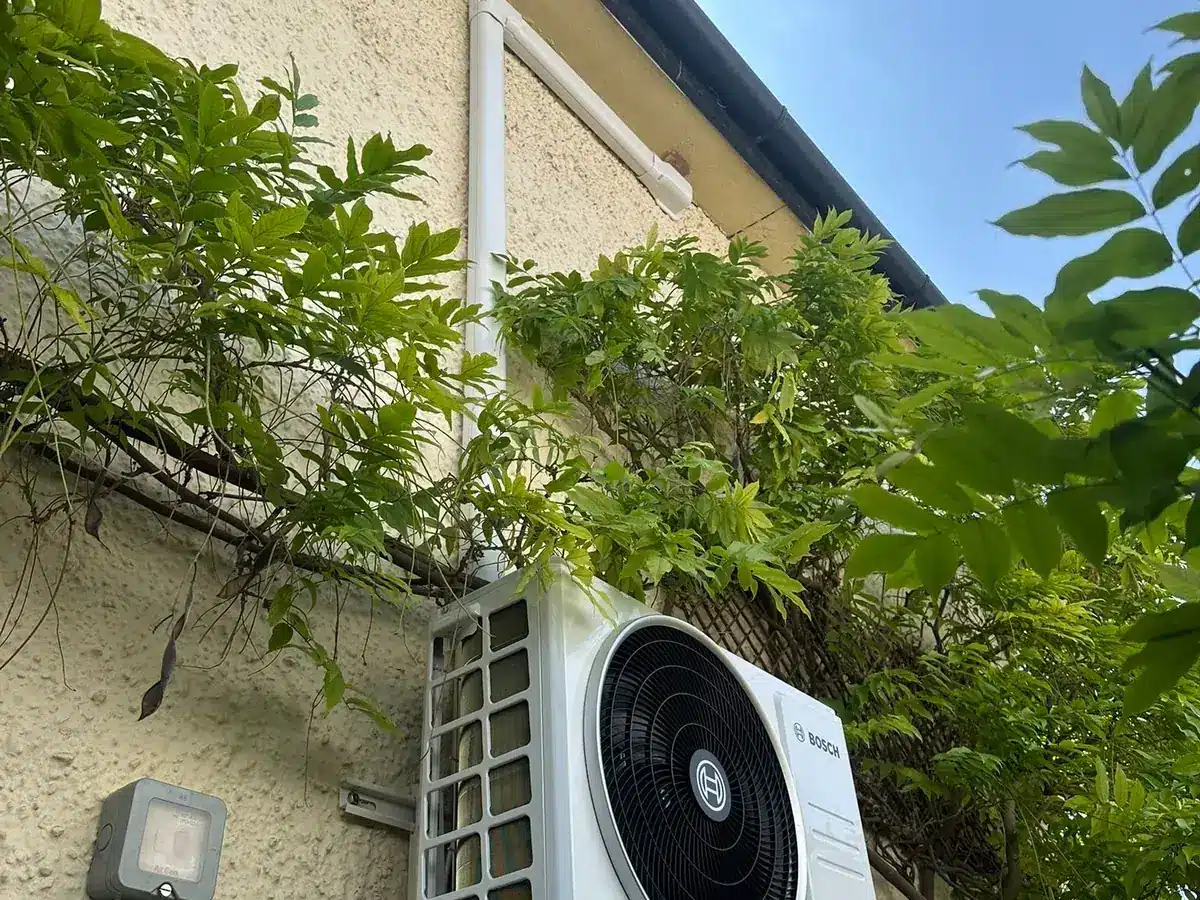
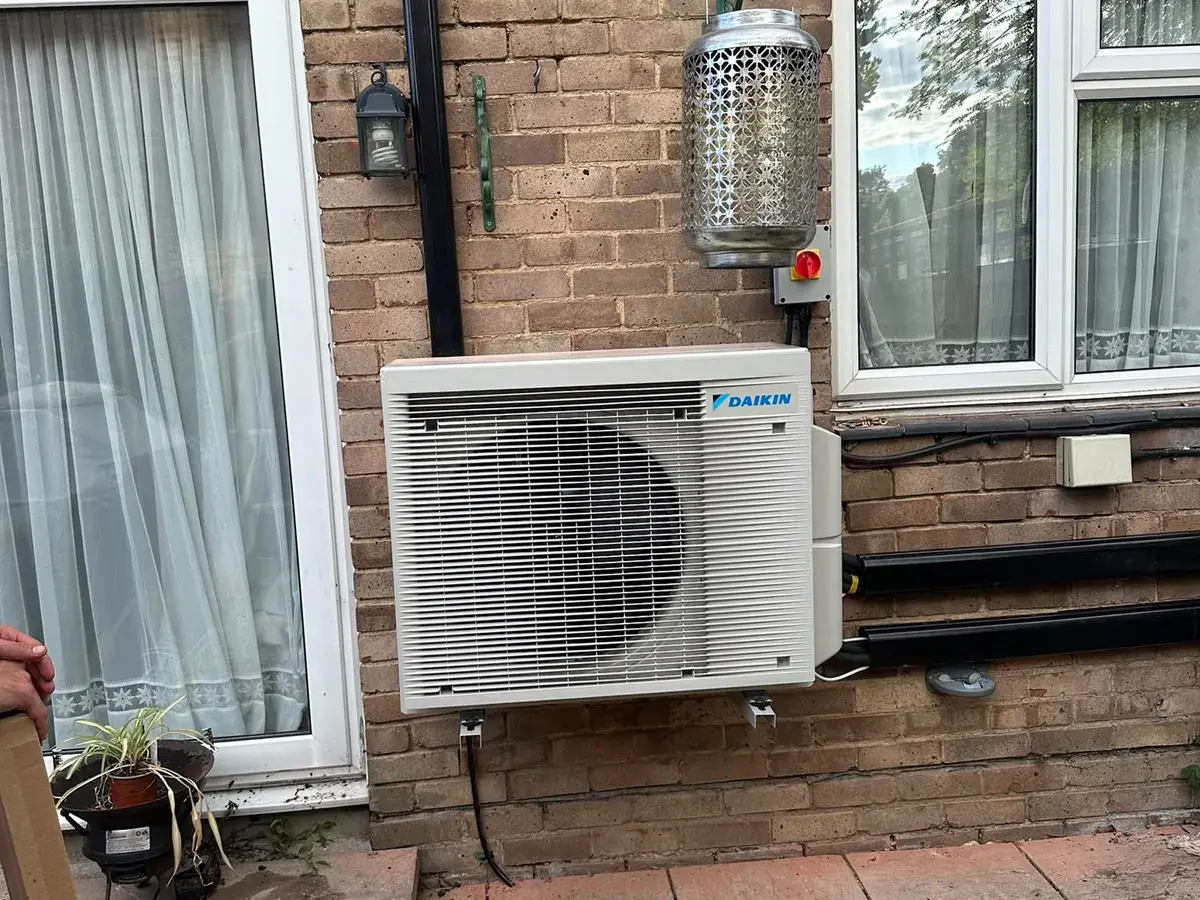
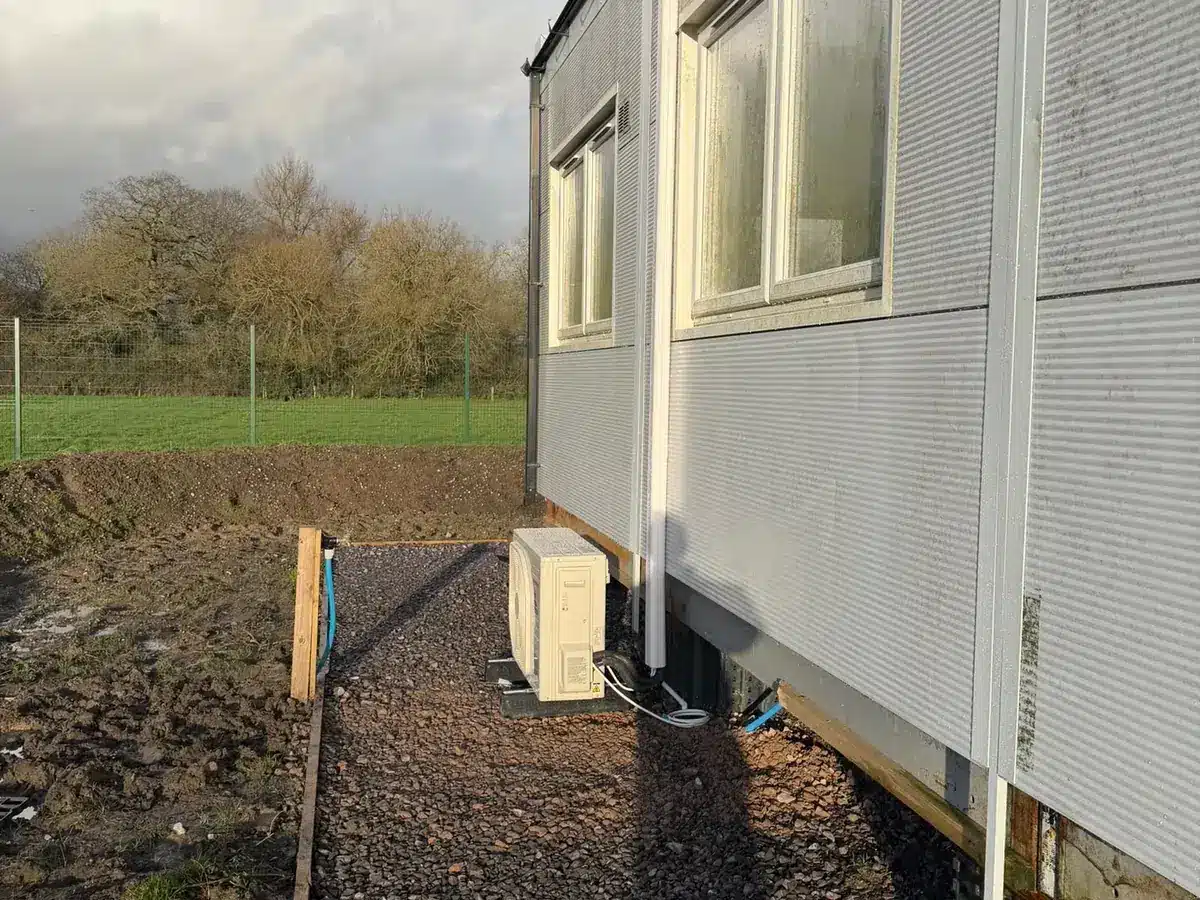
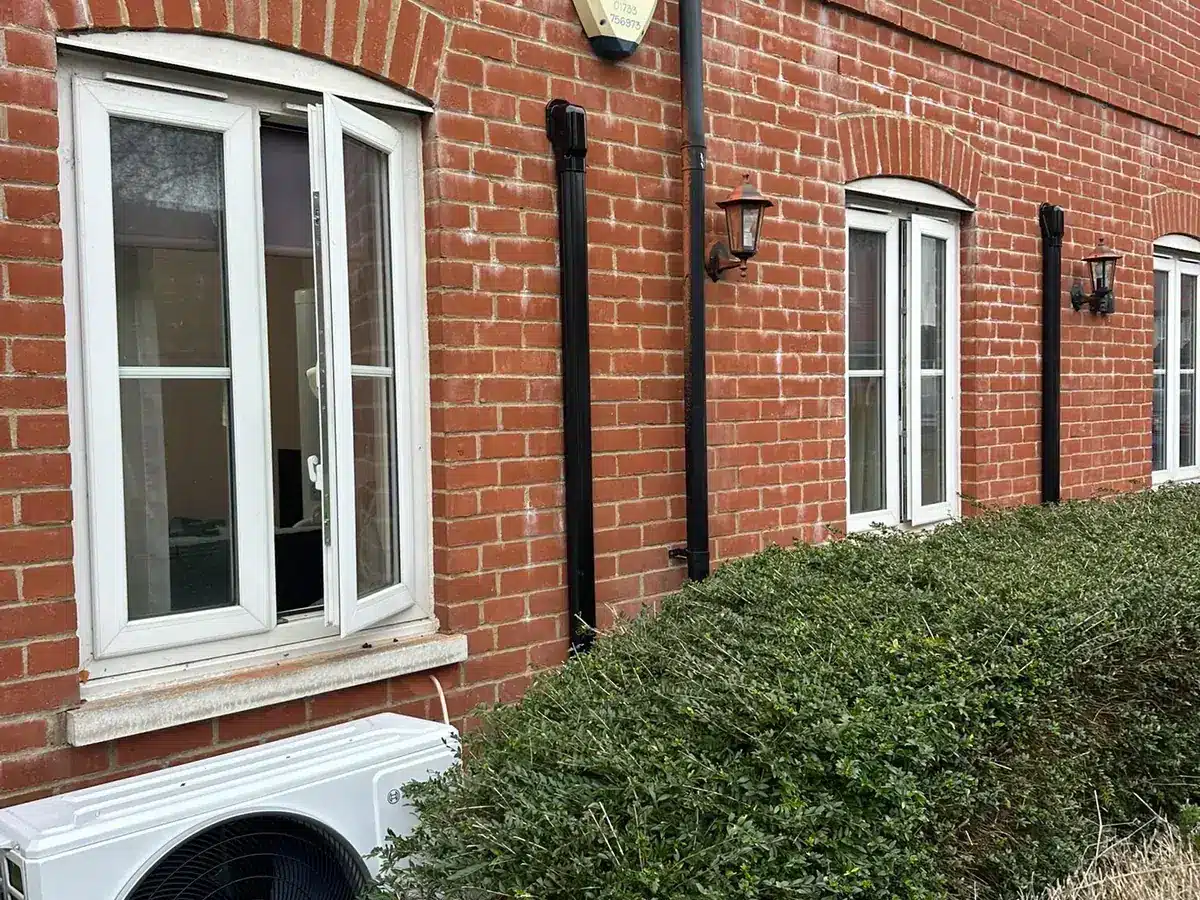
Houses, flats, rooftops and commercial sites, each installed around the building rather than the other way round.
REAL WORK
Our work does the talking.
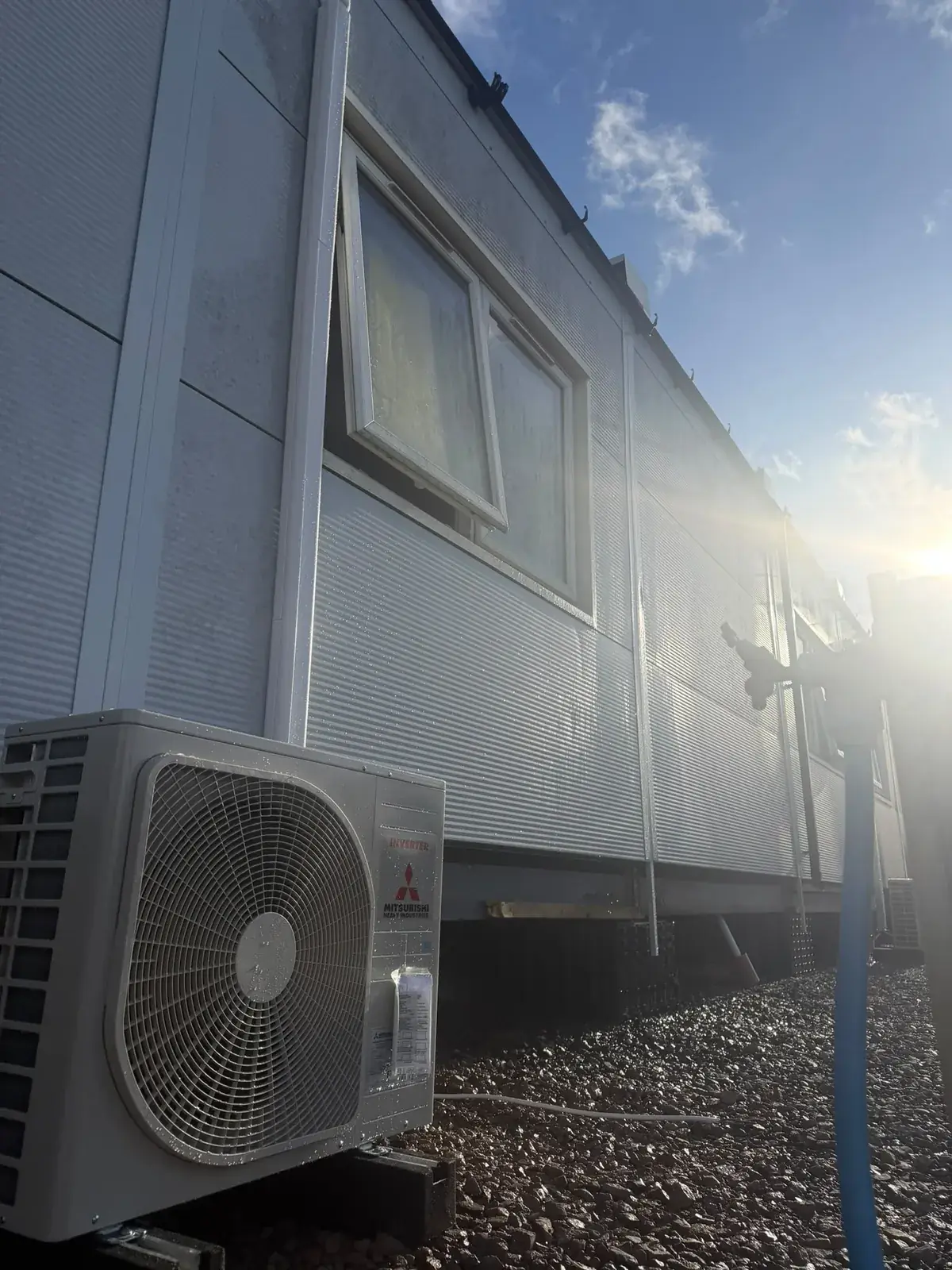
Our project photos cover wall-mounted systems, external condensers, rooftop equipment, ceiling cassettes and commissioning work across many types of London property. We add new jobs as they are completed.
CHOOSING AN AIR CONDITIONING COMPANY
What should a customer look for before choosing an installer?
Whoever you choose, a good installer should be able to explain the proposed system, the installation route and the aftercare in language you understand. These are the things worth checking, including with us.
Survey quality
Did the survey consider how the room is used, heat gain, indoor and outdoor positions, drainage, pipework and access — or jump straight to a unit size?
Written scope
Can you see what equipment is proposed, where it will go, what installation work is included and what is excluded?
Real project evidence
Completed-work photography is more useful when it shows different property types, indoor units, condensers, routes and commercial systems rather than only catalogue images.
Aftercare
Installation is only the beginning of the system life. Servicing, repair and maintenance routes should be clear before a fault occurs.
Communication
A customer should understand why a particular system or position is being recommended and what compromises exist.
Property awareness
London flats, terraces, period properties and commercial premises create different access, noise and external-position challenges.
The Comfort project approach
Start with the problem the customer is trying to solve. A bedroom that is too hot at night is different from a restaurant dining room, server room or multi-apartment maintenance programme. Once the problem is clear, the building constraints can be assessed and the system choice explained in context.
Understand the building
Room use, glazing, roof exposure, external space, neighbours, access and finished interiors all influence the installation. Good engineering is partly about equipment and partly about fitting that equipment into a real building without creating new problems.
Explain the options
Split, multi-split, cassette, ducted and larger multi-zone systems each suit different layouts and priorities. The customer should understand why one option is being recommended over another.
Plan the route
Indoor and outdoor equipment, pipework, drainage, controls and electrics need to work together. A technically functional route can still be poor if it is unnecessarily visible or impossible to maintain later.
Commission the result
The finished installation should be operated and checked rather than treated as complete the moment equipment is mounted. The customer also needs to understand basic controls and the route for future support.
Why real project evidence matters
Photos of real jobs show the kinds of buildings an installer has actually worked in. Over time we will add short case studies explaining the property, the comfort problem, the main constraint, the system chosen and the finished result, so you can find examples close to your own situation.
What a useful case study should show
Property type, room or commercial use, the problem being solved, the key installation constraint, system choice, indoor and outdoor positions and any important aftercare considerations. It does not need private customer information to be useful.
About Comfort FAQs
It turns a general request into a property-specific scope by checking loads, routes, positions, drainage, electrics and access.
Brand matters, but system selection, sizing, installation quality and aftercare matter too. A well-known unit installed poorly can still produce a poor result.
They help show experience with different property types and whether finished work looks neat and considered.
The system should be commissioned and the customer should understand basic operation, controls and how to arrange future servicing or fault support.
Air conditioning is long-life building equipment. Filters, drainage, controls and mechanical components need attention over time, and faults are easier to handle when there is a clear service route.