
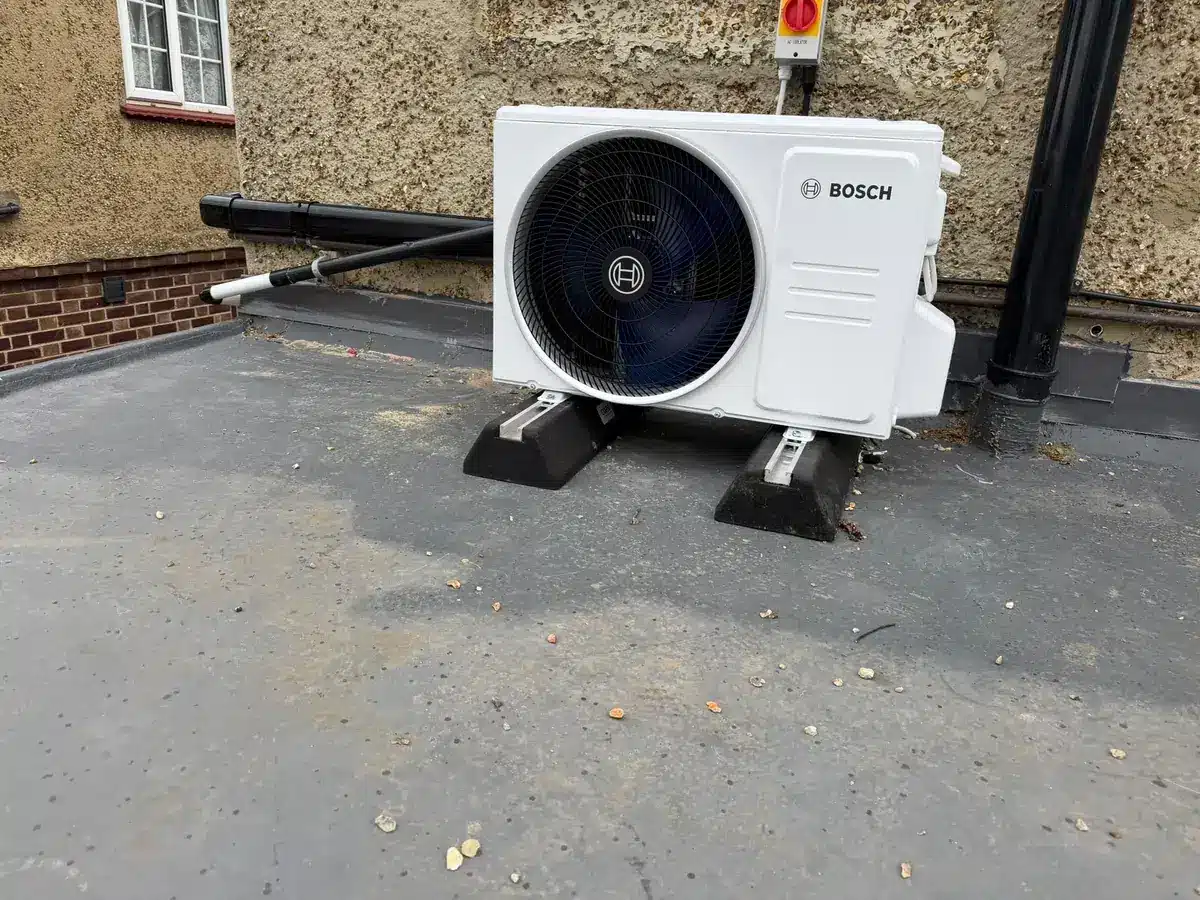
AIR CONDITIONING & MVHR · CITY OF LONDON
Air conditioning & MVHR in the City of London.
Installation, repair, servicing and planned maintenance for offices, hospitality, retail and residential buildings across the Square Mile — from Bank and Moorgate to Aldgate, Blackfriars and the Barbican.
CERTIFIED & TRUSTED
F-Gas certified engineers you can check.
Anyone working on air conditioning or heat pump refrigerant circuits must be F-Gas qualified, and the company must hold a company certificate. Comfort Services Engineers Limited is certified by REFCOM, the certification body appointed by the Secretary of State for Environment, Food and Rural Affairs, to install, commission, service, repair and decommission stationary air conditioning, refrigeration and heat pump equipment.
F-Gas Stationary Equipment Company Certificate, issued under the Fluorinated Greenhouse Gases Regulations 2015. Covers systems both under and over 3kg refrigerant charge.
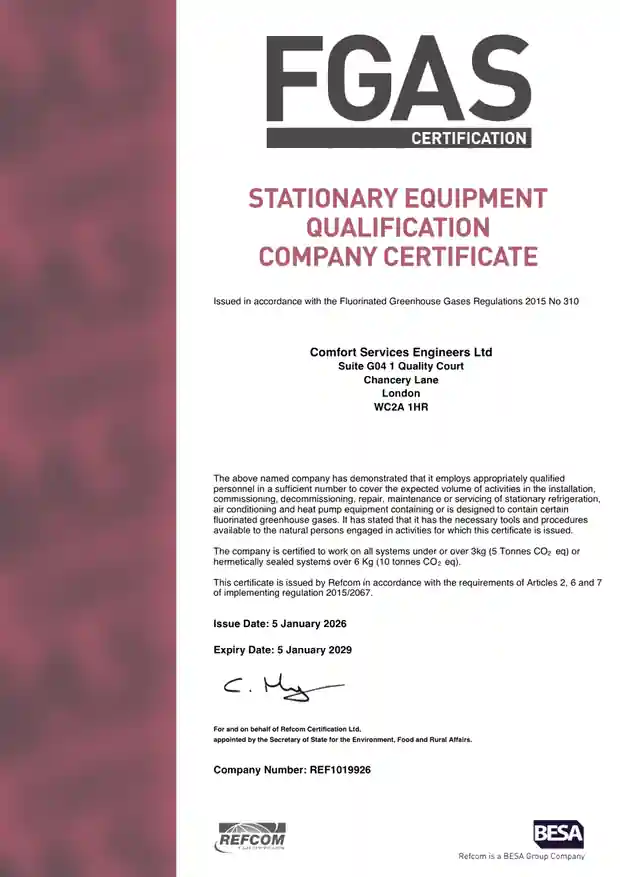
Issued by Refcom Certification Ltd. You can confirm our status on the public REFCOM register using company number REF1019926.
Comfort Services Engineers Limited is a registered London company with its office on Chancery Lane, minutes from Fleet Street, Holborn and St Paul’s.
AIR CONDITIONING CITY OF LONDON
Climate engineering for the Square Mile.
The City of London is one of the most demanding places in the country to install or maintain air conditioning. Most buildings are occupied offices with strict landlord and managing-agent controls, plant space is limited to roofs, lightwells and basements, and many streets sit inside conservation areas or alongside listed buildings. Work often has to be planned around trading hours, building management sign-off and the City of London Corporation’s rules on noisy works.
Comfort Services Engineers works from an office on Chancery Lane, on the western edge of the City. That proximity matters when a system fails on an occupied floor, when a managing agent needs a survey before a lease event, or when a planned maintenance visit has to fit into a short weekend access window.
Commercial buildings
Offices, fit-outs and refits, meeting and boardroom suites, trading and operations floors, comms rooms, restaurants, bars, hotels and ground-floor retail.
City residential
Apartments in the Barbican, Golden Lane, Petticoat Lane and new residential towers, plus live-work and penthouse conversions where external equipment is tightly controlled.
WHAT WE DO IN THE CITY
Air conditioning and MVHR services for City buildings.
Every service below is available across EC1, EC2, EC3 and EC4. For the detail behind each one — system types, repair symptoms and what a service includes — see our air conditioning and MVHR & commercial maintenance pages.
Office air conditioning installation
New systems for whole floors, meeting rooms, boardrooms and reception areas, designed around occupancy, glazing and how each zone is actually used.
Fit-out & refit works
Relocating, extending or replacing indoor units during Cat A and Cat B fit-outs, coordinated with the fit-out contractor, ceiling grid and the landlord’s building services.
Air conditioning repair
Fault finding on occupied floors — not cooling, leaking, error codes, tripping or noisy equipment — with the aim of restoring cooling with minimum disruption.
Servicing & planned maintenance
One-off servicing or PPM programmes for tenants, landlords and facilities teams, with asset lists, defect reporting and remedial priorities.
MVHR servicing & balancing
Filter changes, fan checks, airflow testing and rebalancing for City apartments and mixed-use buildings with mechanical ventilation.
Server & comms room cooling
Cooling for IT, comms and equipment rooms where continuous heat load and the cost of failure call for resilience and fast escalation.
SYSTEMS WE INSTALL
Air conditioning systems we install in the City.
We design and install every main type of air conditioning used in City of London offices, shops, restaurants and apartments. The right choice depends on how the space is used, ceiling depth, plant space and what the landlord or managing agent will allow.
Wall-mounted split systems
The simplest way to cool or heat a single room: one indoor unit linked to one outdoor condenser. Well suited to private offices, small meeting rooms, server cupboards and City apartments where only one or two rooms need air conditioning and a short pipe route to a roof, balcony or lightwell is available.
Multi-split systems
Two to five indoor units running from a single outdoor unit. Useful in City buildings where landlords allow only one condenser position, or where roof and lightwell space is tight. Each room keeps its own controller, so a boardroom, reception and private office can run at different temperatures.
Ceiling cassette systems
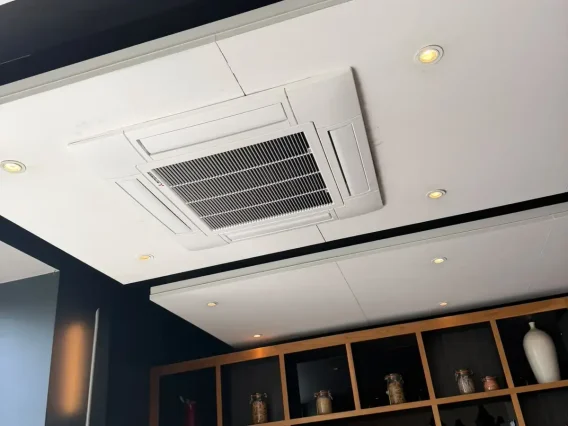
Recessed into a suspended ceiling grid so only a slim grille shows, with air spread in four directions. The usual choice for open-plan office floors, meeting suites, restaurants and retail units, and a common like-for-like replacement when older City office systems reach the end of their life.
Ducted air conditioning
Indoor units hidden in the ceiling void, with conditioned air delivered through discreet linear or square grilles. Chosen for fit-outs, boardrooms, hotels and high-end apartments where nothing should be visible. Needs adequate ceiling depth, which we confirm at survey before any design is agreed.
VRF / VRV systems
Variable refrigerant flow systems serve whole floors or buildings from shared outdoor plant, with many indoor units controlled zone by zone. Heat-recovery versions can heat and cool different areas at the same time, which suits City offices with mixed sun exposure, meeting rooms and comms rooms.
Not sure which system suits?
The right system depends on the floor plate, ceiling depth, where the outdoor unit can go and what the landlord will approve. A free survey gives you a clear recommendation and a written quote. See our air conditioning page for repairs and servicing.
MANUFACTURERS
Air conditioning brands we work with.
Our engineers install, service and repair systems from the major manufacturers found in City of London buildings. That includes Mitsubishi Electric and Daikin air conditioning, Panasonic, Fujitsu, Toshiba, LG and Samsung. If you have inherited a system and are unsure of the make, send us a photo of the outdoor unit’s rating plate and we will tell you what it is.
REAL COMFORT PROJECTS
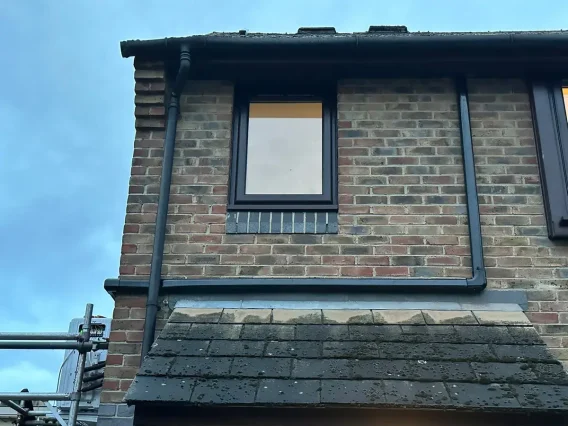
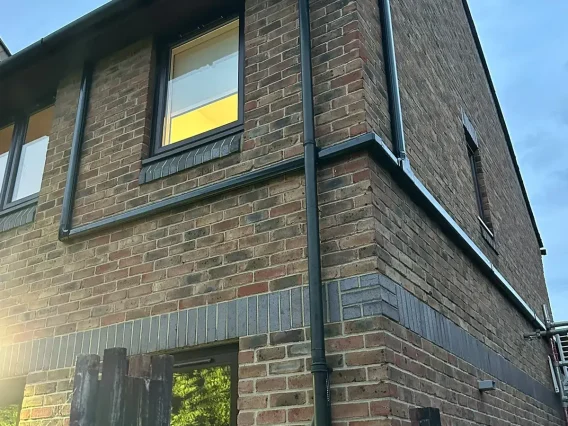
Work that has to look right in a finished building.
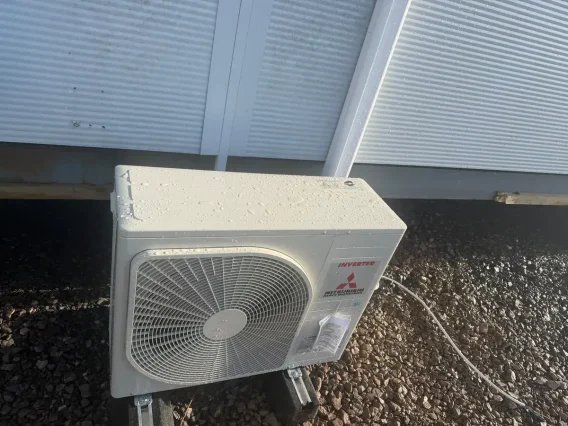
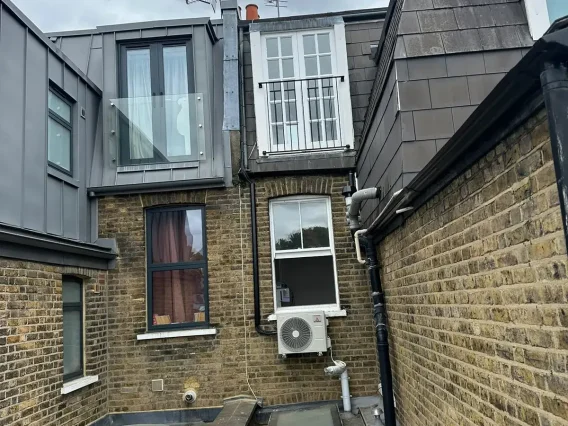
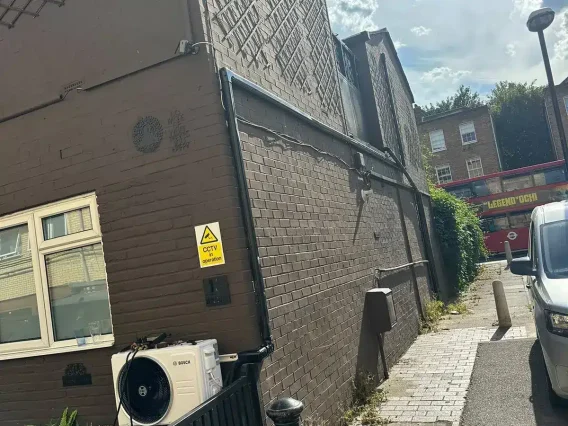
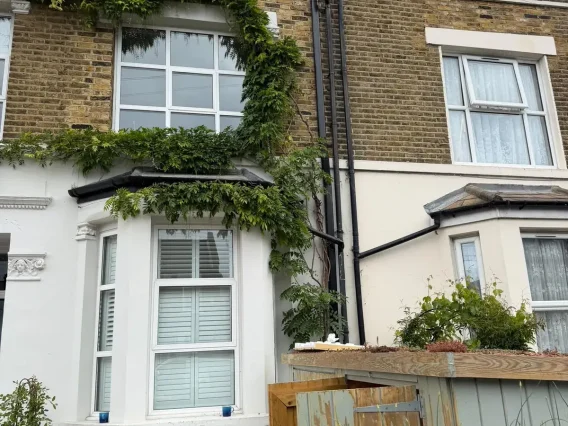
Condensers, routes and indoor units all have to sit neatly in spaces that tenants, landlords and visitors see every day.
WORKING IN THE SQUARE MILE
What makes City of London installations different.
The engineering principles are the same anywhere in London. What changes in the City is the approval, access and scheduling around them — and that is where projects run late or go over budget if it is not planned from the start.
Landlord and managing-agent consent
Most City offices are leased, and alterations to building services usually need a licence for alterations or written landlord approval. Method statements, RAMS, equipment data and drawings are often requested before any work starts, so they belong in the plan from the first survey.
Limited plant space
Outdoor units normally have to go on the roof, in a lightwell, in a basement plant room or in a designated plant area. Space is shared with other tenants’ equipment, so capacity, access and structural loading need checking before equipment is chosen.
Rules on noisy works
The City of London Corporation controls noisy construction work, and buildings add their own access rules. Drilling, core cutting and crane or hoist use often have to be scheduled early in the morning, in the evening or at weekends.
Occupied floors and phased work
Businesses rarely stop trading for an installation. Work is usually phased floor by floor or zone by zone, with dust protection, out-of-hours working and clear daily handover so staff can carry on as normal.
Listed buildings and conservation areas
Much of the City is covered by conservation areas, and many buildings are listed. External equipment and new openings can need planning or listed building consent, so positions are checked against the actual address before they are fixed.
Shared risers and building services
Pipe and cable routes often run through shared risers, ceiling voids and landlord-controlled plant. Routes have to respect fire stopping, existing services and future access for other contractors.
HOW A CITY PROJECT RUNS
Survey. Approve. Schedule. Install. Maintain.
Survey
Site visit or walkthrough with the tenant or building manager: rooms, loads, plant space, routes and access.
Approvals
Drawings, equipment data and RAMS prepared for landlord, managing agent or building management sign-off.
Schedule
Noisy work, deliveries and out-of-hours access booked around trading hours and building rules.
Install & commission
Installation, testing and commissioning, with the area left clean and handed back to the occupier.
Maintain
Servicing, PPM and reactive support so the system keeps performing after handover.
CITY OF LONDON PROPERTY TYPES
Air conditioning by building type.
The City’s building stock ranges from glass towers to Victorian banking halls and 1960s residential estates. Each one brings different constraints on equipment, routes and access.
Modern Grade A offices
Usually served by central landlord systems. Tenant work tends to be supplementary cooling for meeting rooms, comms rooms and high-occupancy zones, tied into the base-build design.
Older and period offices
Victorian and Edwardian office buildings often lack central cooling. Split, multi-split or VRF systems need careful routing through thick walls, ornate ceilings and limited voids.
Meeting rooms & boardrooms
Small rooms with high occupancy and screens heat up fast. They usually need dedicated units and controls rather than relying on the open-plan system.
Restaurants, bars & hotels
Long hours, kitchen heat and changing occupancy. Equipment has to be quiet in dining areas and maintainable without disrupting service.
Ground-floor retail
Shopfront units with constant door openings and lighting loads, where condenser positions are limited and work has to happen outside trading hours.
City apartments
Barbican, Golden Lane and newer towers, where leases, listing and building rules restrict external units. MVHR is common in newer blocks.
AREAS & POSTCODES
Where we work in the City of London.
We cover the whole Square Mile and its postcodes — EC1, EC2, EC3 and EC4 — including the following areas and business districts:
Bank & Cornhill
Moorgate
Liverpool Street
Bishopsgate
Aldgate
Fenchurch Street
Tower Hill
Monument
Cannon Street
Mansion House
St Paul’s
Blackfriars
Fleet Street
Chancery Lane
Holborn Circus
Smithfield
Barbican
Farringdon Street
Nearby areas
We also work across the neighbouring parts of central and east London, including Clerkenwell, Islington, Shoreditch, Spitalfields, Whitechapel, Holborn and Southwark. Our main London service information is on the air conditioning London homepage.
COMMERCIAL MAINTENANCE CITY OF LONDON
Planned maintenance for City offices and managed buildings.
For many City occupiers, the bigger risk is not installation but a system failing in July with a full floor of staff or a client meeting booked. Planned maintenance gives facilities teams and managing agents a clear picture of what equipment they have, what condition it is in and what needs budgeting for.
Programmes can be built around tenant demises, landlord plant or a whole building, with visits scheduled to suit access windows and reports written so they can be passed straight to a landlord or insurer.
Planned preventative maintenance
Scheduled servicing visits, asset registers, condition reporting and remedial quotations that separate urgent defects from items that can be planned.
Reactive support
A clear route for reporting faults between visits, with priority given to occupied floors, comms rooms and critical cooling.
Energy inspections for larger systems
Buildings with larger air conditioning systems can fall under statutory air conditioning energy inspection requirements (often referred to as TM44 inspections), which are separate from routine servicing. Building owners should check whether their systems are in scope against current government guidance. See our MVHR & commercial maintenance page for how PPM programmes are structured.
REAL COMFORT PROJECTS
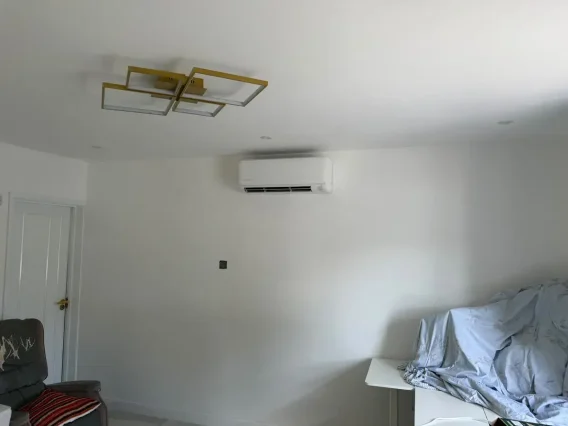
Plant, routes and commissioning.
The parts of an installation tenants rarely see are often the parts that decide how well it works and how easy it is to maintain.
MVHR CITY OF LONDON
MVHR for City apartments and mixed-use buildings.
Newer residential towers and converted buildings in the City increasingly rely on mechanical ventilation with heat recovery. In sealed, high-rise apartments, MVHR that is poorly balanced or overdue for a filter change shows up quickly as stuffy rooms, condensation and noise. We service, repair, test and rebalance MVHR for residents, landlords and managing agents, including block-wide programmes.
City of London air conditioning FAQs
In most leased offices, yes. Alterations to building services usually need landlord or managing-agent approval, often through a licence for alterations. We can prepare the drawings, equipment data and method statements they normally ask for.
Yes. Noisy work such as drilling and core cutting is often scheduled early, late or at weekends to suit the building’s rules and the City of London Corporation’s controls on noisy works.
Usually on the roof, in a lightwell, in a basement plant room or in a landlord-designated plant area. The position depends on available space, access, structure, noise and what the landlord allows.
It depends on the building, its listing status, whether it is in a conservation area and where the external equipment will go. The City of London Corporation is the planning authority, and the actual address should be checked before equipment positions are fixed.
Often, yes. Supplementary units are common for meeting rooms, boardrooms and comms rooms, provided they are coordinated with the landlord’s base-build system and approved by building management.
Yes. Existing systems can be surveyed and taken onto a servicing or PPM programme, subject to their condition and access. Manufacturer and model details help with planning the first visit.
Listed and heavily controlled estates have strict rules on external equipment and alterations. Any proposal has to be checked against the estate’s requirements and listed building consent before work is planned.
Our office is on Chancery Lane, on the edge of the Square Mile. Call 020 7183 9615 for urgent faults affecting occupied floors or critical rooms, rather than waiting for an online reply.
Yes. We service, repair, test and rebalance MVHR in City apartments and mixed-use buildings. See the MVHR & commercial page for what a service includes.
It depends on the job, so we quote after a free survey rather than publish a starting price. The main factors are the size and type of system, the number of rooms or zones, the length and difficulty of pipe and condensate routes, where the outdoor unit can go and how it gets there, access and lifting arrangements, landlord or managing-agent requirements, and whether work has to happen out of hours or at weekends. You receive a written quotation before any work starts.
CONTACT COMFORT
Book a City of London survey.
Tell us the building, the floor or rooms involved and whether you need an installation, a repair, servicing or a maintenance programme. Photos of the space, existing equipment and model labels help us plan the first visit.