
AIR CONDITIONING & MVHR SPECIALISTS IN LONDON
MVHR & commercial maintenance without the guesswork.
A specialist secondary cluster for ventilation, airflow performance, planned commercial maintenance and property-management support.
MVHR SERVICE LONDON
If the airflow is wrong, the room will tell you.
MVHR is not simply a box in a cupboard. Filters, fans, heat exchange, condensate drainage, controls, terminals and airflow balance all affect whether the system is doing its job.
MVHR servicing
Filter condition
Heat exchanger
Supply & extract fans
Condensate drainage
Controls & boost
Supply/extract valves
Airflow readings
Noise & vibration
Accessible ductwork
MVHR repairs & fault finding
Common search intent includes poor extraction, low airflow, excessive noise, fan failure, blocked filters, controller faults, boost problems, condensation, water leaks, blocked drains and systems that appear out of balance.
Airflow testing, balancing & commissioning
Where a system is adjustable, room-by-room supply and extract readings can help identify imbalance and support recommissioning after repairs or alterations. This is particularly relevant in apartments and managed residential developments.
Commercial planned maintenance
Property managers and facilities teams need more than isolated call-outs. A useful maintenance relationship creates asset visibility, scheduled visits, fault reporting, remedial priorities and a route for reactive attendance.
Managed residential
Apartment blocks, build-to-rent, landlords and managing agents needing repeatable servicing and documentation.
Commercial property
Offices, hospitality, hotels, retail and other occupied premises where downtime matters.
Combined AC + MVHR support
For buildings with both comfort cooling and mechanical ventilation, using one engineering relationship can simplify planned visits, reactive faults and reporting — provided the scope remains clear for each asset type.
What should an MVHR service actually check?
A useful service goes beyond changing filters. The unit, filters, heat exchanger, supply and extract fans, condensate drain, controls, boost operation, accessible valves and visible ductwork all contribute to performance. Where airflow is in question, measurements are more useful than guesswork.
Filters
Blocked filters restrict airflow and make it harder for the system to ventilate as intended.
Heat exchanger
Dust and contamination can reduce performance; accessible cores should be inspected appropriately.
Fans
Noise, imbalance and reduced output can point to fan or airflow problems.
Condensate
Drainage needs to remain clear and correctly arranged to avoid water problems.
Controls & boost
Boost functions, sensors and user controls should respond as intended.
Airflow
Supply and extract readings show whether rooms are receiving and removing air as expected.
MVHR problems people search for
Weak airflow
Blocked filters, fan issues, restrictions, closed valves or poor balancing can contribute.
Noisy MVHR
Fan condition, vibration, dirty components, duct restrictions and terminal settings can be relevant.
Condensation on windows
Condensation has several possible causes, but inadequate ventilation performance is one area worth checking.
Stale or stuffy rooms
Check filters, fan operation, boost mode, terminals and actual airflow rather than assuming the unit works because it has power.
Water around the unit
Condensate drainage and unit condition should be inspected before damage spreads.
Boost not working
Controls, switches, sensors, wiring and unit settings may need testing.
MVHR airflow testing and balancing
Airflow testing is valuable when rooms feel poorly ventilated, after alterations, when terminals have moved or when there is no reliable commissioning record. Supply and extract readings can be compared room by room, with adjustments made where the system allows.
MVHR maintenance for apartment blocks
Property managers need a repeatable process rather than unrelated appointments. A block programme can include an asset list, access schedule, apartment-by-apartment checklist, filter programme, defect coding, remedial quotations and consolidated reporting.
Commercial PPM for air conditioning and ventilation
Planned preventative maintenance should help a facilities team understand what equipment exists, what condition it is in, what needs attention now and what can be budgeted for later. The value is not simply visit count; it is better visibility and fewer surprises.
A maintenance proposal should make clear
- Which assets and systems are included
- Visit frequency and normal service scope
- Filter or consumable arrangements
- How faults and remedial work are reported
- Reactive call-out arrangements
- Access and operating-hour constraints
- What documentation the property team receives
MVHR & commercial maintenance FAQs
It depends on filter type, environment and usage. Busy roads, dust or pollution may justify more frequent inspection. Follow manufacturer guidance and actual filter condition.
Annual professional inspection is common, while filters may need attention more frequently. Usage, environment and manufacturer guidance should inform the plan.
Where terminals and controls are adjustable, airflow can be measured and the system rebalanced. The aim is appropriate supply and extract performance.
Possible causes include dirty filters, fan issues, vibration, duct restrictions, high fan settings or poorly adjusted terminals.
Poor ventilation can contribute, but heating, insulation, occupancy and moisture generation also matter. Measure ventilation rather than assuming one cause.
Yes. Portfolio servicing is easier with an asset register, access plan, consistent checklist, filter schedule and consolidated reporting.
Symptoms can include weak supply or extract, persistent humidity or condensation, noise and rooms that do not ventilate as expected. Airflow measurements are needed for a meaningful assessment.
Yes — multi-property servicing is best organised around an asset list, access plan, repeatable checklist and reporting structure.
Planned maintenance can reduce surprise failures and gives property teams better visibility of equipment condition and remedial priorities.
REAL COMFORT PROJECTS
Mechanical services are part of the building.
For managed and commercial property, access, repeatability and maintainability matter just as much as the finished room.
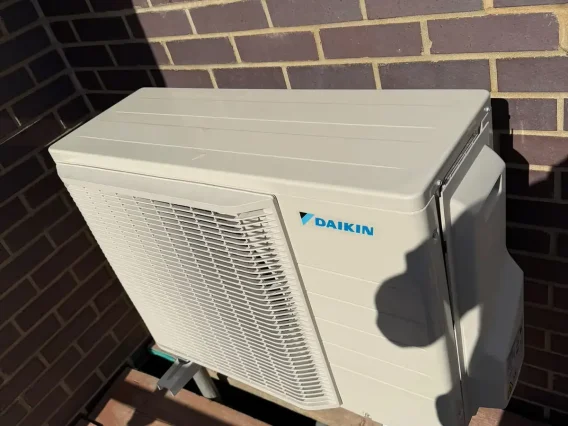
Comfort project · London installation detail

Comfort project · London installation detail
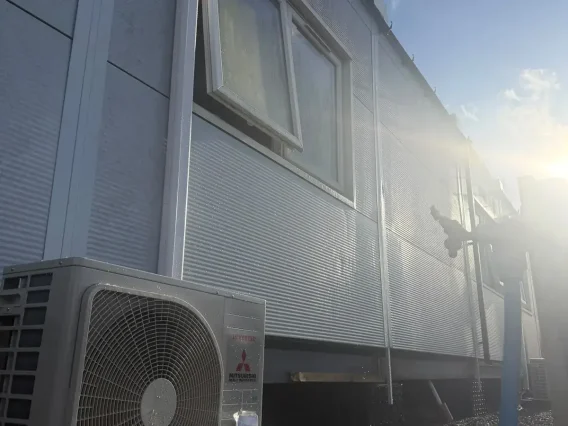
Comfort project · London installation detail
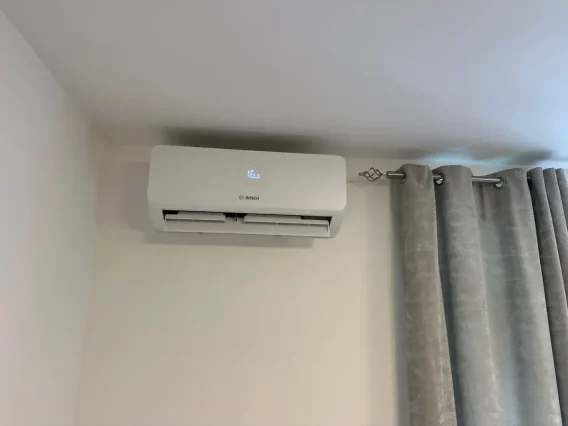
Comfort project · London installation detail
REAL COMFORT PROJECTS
Built to be maintained, not forgotten.
Real project photography keeps the technical content grounded in actual work.
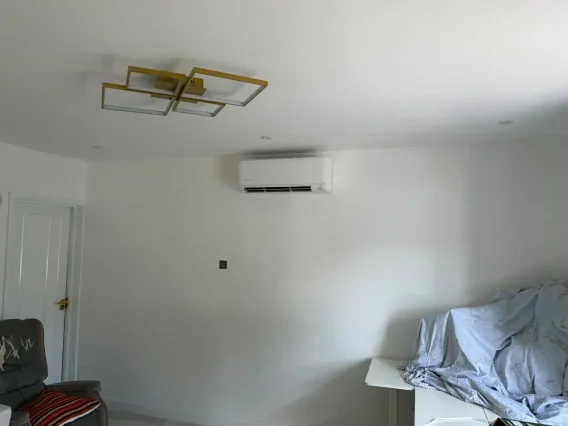
Comfort project · London installation detail
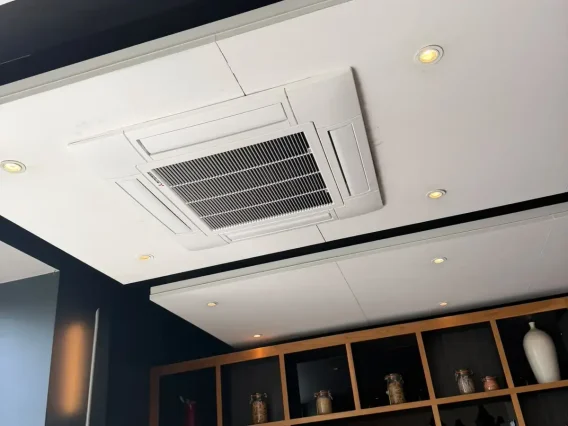
Comfort project · London installation detail
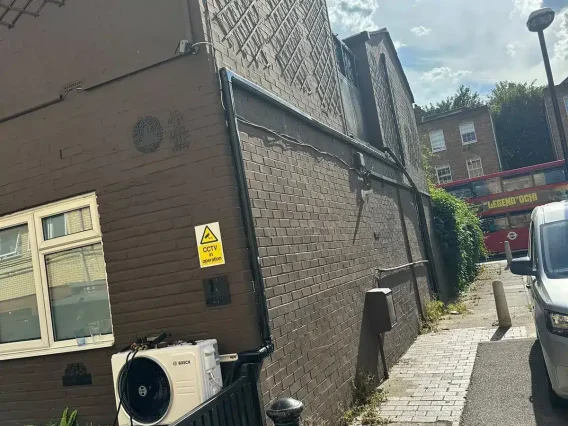
Comfort project · London installation detail

Comfort project · London installation detail
MVHR & COMMERCIAL DEEP GUIDE
MVHR servicing: airflow matters more than appearances
A ventilation unit can look clean and still perform badly. MVHR depends on controlled supply and extract airflow while recovering heat between the two streams. Filters, fans, heat exchanger condition, controls, terminals, condensate drainage and ductwork all influence that outcome.
Filters
Filters protect the air path from dust and debris. Heavily loaded filters can restrict airflow and increase fan effort. Replacement should use the correct specification for the unit rather than simply something that fits the opening.
Heat exchanger
The exchanger transfers energy between extract and supply air. Accessible exchangers should be inspected for contamination and cleaned in accordance with equipment requirements. Poor seating or damage can affect performance.
Fans
Supply and extract fans should run smoothly and without unusual bearing or vibration noise. A fault on one side can create imbalance even while the other fan continues to operate.
Condensate drainage
MVHR units can produce condensate. The drain and trap arrangement need to work correctly. Water around the unit, staining or persistent gurgling should be investigated rather than accepted as normal.
Controls and summer bypass
Boost settings, schedules, sensors and summer-bypass behaviour vary by unit. Summer bypass does not provide active cooling; it changes the heat-recovery path under suitable conditions. If it appears not to operate, settings and actual temperature conditions need checking.
Airflow measurement and balancing
Good ventilation is measurable. Supply and extract volumes at room terminals can be checked against intended design or commissioning information where available. If one valve is adjusted, the effect on the rest of the system matters, so arbitrary room-by-room turning can create new imbalance.
When is recommissioning useful?
After fan replacement, significant duct changes, terminal replacement, refurbishment or when previous settings are unknown and performance is poor. It can also be useful where a building has never performed as expected and there is no reliable record of the original balance.
MVHR repair symptoms
Weak bathroom extraction, stale bedrooms, excessive fan noise, persistent condensation, failed boost and water leakage are useful symptoms. The engineer needs to separate filter restriction from fan, control, drainage, duct or balance problems rather than assuming every complaint has the same cause.
Weak airflow in one room
A single-room issue can involve a terminal, local duct route or previous adjustment. If many rooms are weak, filters, fan performance or broader system restrictions become more relevant.
Condensation despite MVHR
Ventilation can help manage moisture, but condensation also depends on moisture production, room temperature, fabric temperature and occupant behaviour. The system should be checked for airflow and operation without promising that ventilation alone explains every condensation problem.
Noise from MVHR
Identify whether the sound comes from the central unit, ductwork or room terminals. Fan noise, vibration transfer and excessive terminal velocity can require different remedies.
Commercial PPM programme design
A commercial maintenance contract should be easy for the property team to administer. Asset identification, access arrangements, planned dates, reporting format and reactive escalation should be agreed before the first service round.
Asset registers
An asset register gives the maintenance programme a common reference. It can identify equipment type, location and useful reference information so engineers and managers are talking about the same unit when defects are reported.
Condition reporting
Reports should distinguish between a failed item, a developing defect and a general observation. That allows budgets and access to be planned and reduces the chance that every note is treated as an emergency.
Reactive support
PPM does not eliminate breakdowns. The contract should explain how faults discovered between visits are reported, what information the customer should provide and how remedial work is authorised.
Commercial maintenance by property type
Offices
Zoning, occupancy and planned access
Hotels
Guest impact and many distributed assets
Retail
Trading continuity and customer areas
Restaurants
Long hours and high internal gains
Build-to-rent
Repeatable apartment programmes
Managing agents
Reporting and remedial priorities
Server rooms
Critical cooling and rapid escalation
Mixed-use
Different asset types under one management structure
MVHR and commercial FAQs
Restricted filters can reduce ventilation airflow, which may contribute to moisture problems, but condensation has several possible causes. Airflow and wider building conditions should be assessed.
MVHR is normally designed as continuous ventilation with different operating rates rather than equipment that is routinely switched off. Follow the system design and manufacturer guidance.
MVHR is primarily ventilation with heat recovery. Summer bypass can reduce unwanted heat recovery in suitable conditions, but it is not active air conditioning.
Yes, where the system and terminals are adjustable. Altered rooms, ducts or terminals can justify new airflow measurements and balancing.
Building type, approximate asset count, existing asset list if available, access constraints, current maintenance frequency and whether reactive support is required.
It is a structured record of equipment being managed, normally identifying what the asset is and where it is so maintenance and fault records can be tied to the correct unit.